Sportsbook UI Design: The Complete Guide for Betting Operators
By Zenix UX · July 7, 2026 · 13 min read
A sportsbook interface has to solve a problem most software never touches: presenting genuinely dense, fast-changing data — odds across dozens of markets, updating in real time — in a way that a casual bettor and a serious one can both use without friction. Get the density-versus-clarity balance wrong and you either overwhelm the casual bettor or underserve the serious one. Neither is a good trade.
Pre-Match vs. Live Betting: Two Different UX Problems
Pre-match betting rewards browsing — bettors compare markets, read up on form, take their time. The UI should support that with clear categorization and detailed match information. Live betting is the opposite: odds move every few seconds, and the interface needs to communicate change instantly without becoming visually chaotic. Treating both with the same static layout is one of the most common sportsbook mistakes we see.
Odds Display Formats: Designing for Decimal, Fractional, and American
European bettors overwhelmingly expect decimal odds, UK bettors often expect fractional, and any platform serving US markets needs American format — sometimes all as a user-selectable preference in the same product. This isn't just a display toggle; each format has different reading conventions, and getting the toggle buried in settings rather than accessible from the bet slip itself is a real point of friction for bettors who switch between formats out of habit.
The Bet Slip: Anatomy of the Most Critical Component
Everything on a sportsbook exists to get a bettor to the slip and through it. The best-performing slips we've built share the same anatomy: persistent visibility from anywhere in the app, a running total that updates instantly as selections change, one-tap stake adjustment using preset amounts, and a confirmation state that's unmistakable — no ambiguity about whether the bet actually placed.
On FancyBet, keeping the slip permanently accessible rather than tucked behind a cart icon was the single change that most reduced abandoned bets in testing.
Live Betting UI: Scores, Odds Movement, and Cash-Out
Live betting screens need to show enough real-time context — score, time, momentum — that a bettor can make an informed in-play decision without leaving the app to check another source. Odds movement should be visually flagged (a brief highlight on change) so bettors notice shifts without the whole screen feeling like it's flickering. And cash-out needs to be genuinely one tap: it's a feature bettors use under time pressure, and any extra confirmation step defeats its purpose.
Match Center Design: Stats, Lineups, Head-to-Head
A strong match center reduces the number of tabs a bettor needs open elsewhere. Team form, head-to-head history, and lineup news, presented well, turn a betting app into a genuine research tool rather than just a transaction screen — and that stickiness matters far more for retention than any individual promotion.
Multi-Bet Builders: Parlays, Accumulators, and System Bets
Combination bets are where sportsbook UIs most often collapse into confusion — stacking multiple selections, showing combined odds, handling partial cash-outs. The fix is treating the bet builder as its own dedicated flow rather than an awkward extension of the single-bet slip, with a running visual summary of exactly what's been combined and what it pays out. This is a pattern we designed carefully into Betsera, where power users routinely build complex multi-bets while also tracking a live stream.
Mobile Sportsbook: Designing for the Thumb Zone
Most in-play betting happens one-handed, thumb reaching across the screen. That means bet-slip and confirmation controls belong in the lower half of the screen, within comfortable thumb reach — not stretched to the top where two-handed desktop conventions would put them. It's a small detail that measurably affects how many live bets actually get completed rather than abandoned mid-tap.
European Market Specifics
Operators serving European markets need multi-language and multi-currency support baked into the interface from day one, not patched on later, along with the responsible gaming and compliance patterns regulators increasingly expect to see. On GG.BET, designing for an esports-savvy European audience meant building language and currency switching into the core navigation rather than treating it as a regional afterthought.
Getting Started
If your sportsbook's bet slip, live betting screens, or match center are underperforming, they're usually fixable without a ground-up rebuild. We design iGaming and betting platforms end to end — get in touch if you want a focused look at where yours is losing bettors.
Related projects
See it in practice
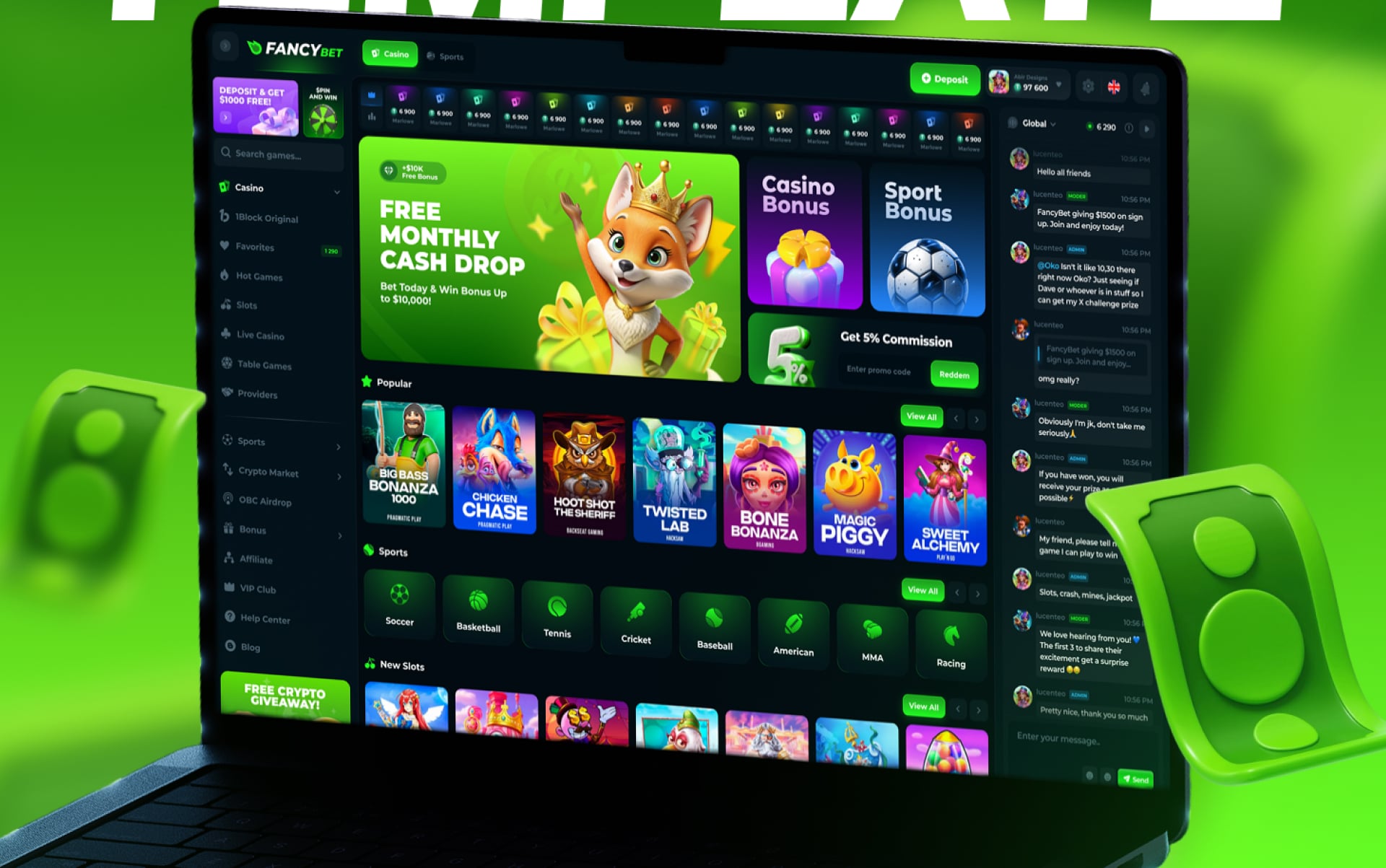
iGaming · UI/UX Design
FancyBet
A vibrant, engagement-driven online betting platform interface — designed with bold colors, intuitive bet placement, and a game-centric layout that keeps players in the action.
View case study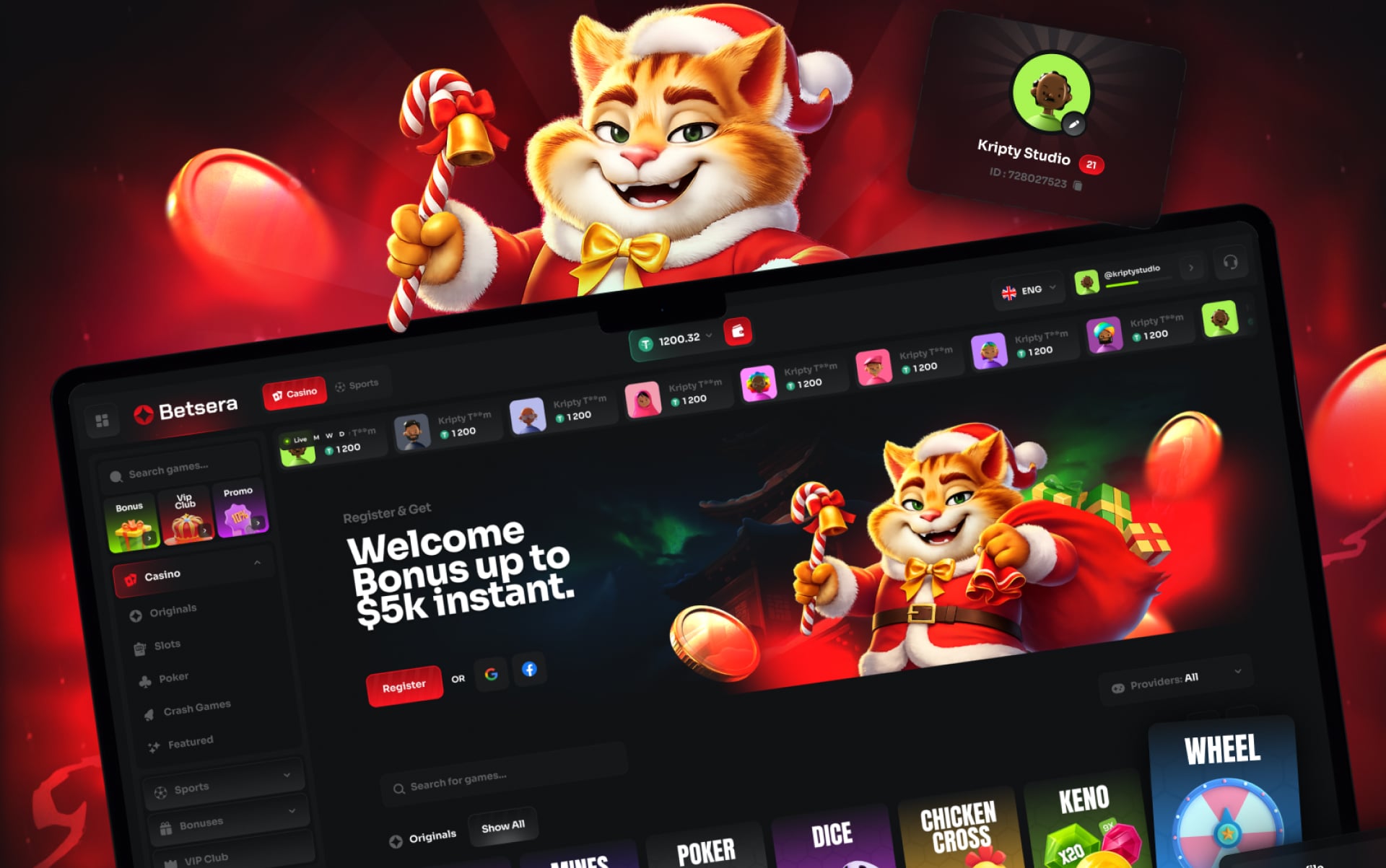
iGaming · UI/UX Design
Betsera
A sleek, dark-themed sports betting and casino platform — designed for high-engagement sessions with quick bet placement, live streaming integration, and a unified multi-vertical experience.
View case study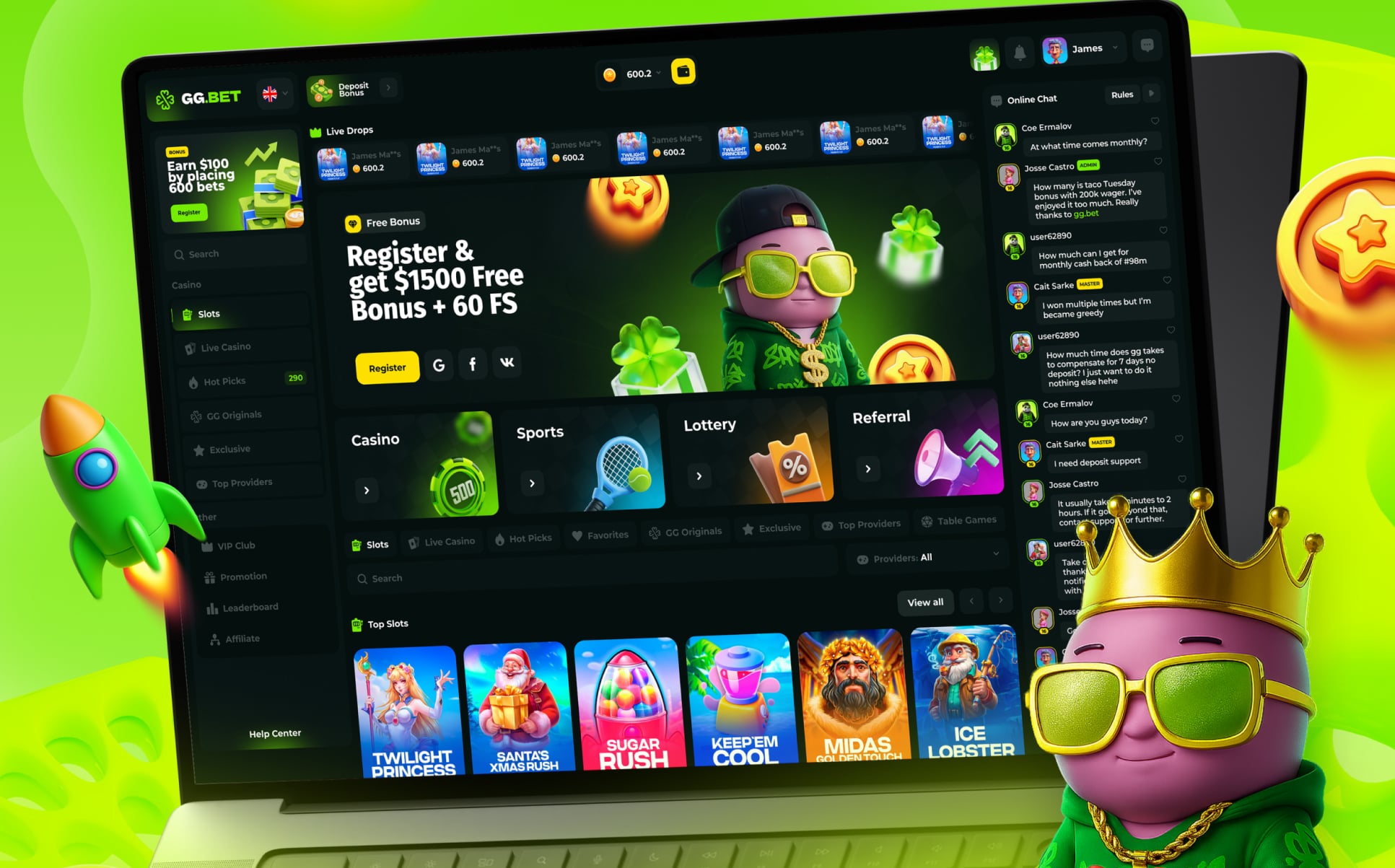
iGaming · UI/UX Design
GG.BET
An esports-focused betting platform with a gaming-native aesthetic — designed for the CS2, Dota 2, and League of Legends community with live match data, team stats, and instant bet placement.
View case studyNeed help with your sportsbook interface?
Start a projectRelated posts
Keep reading

Esports Betting Platform Design: Connecting Gaming Culture to Wagering
Esports bettors aren't traditional sports fans. They need interfaces that speak gaming — here's how to design for them.

What Makes Great iGaming UI Design? A Complete Guide for Operators
The difference between a casino players love and one they abandon in 30 seconds comes down to interface design. Here's what separates the best from the rest.
Trading Dashboard Design: 15 Best Practices for 2026
Data-dense doesn't have to mean overwhelming. Here's how to design trading dashboards that make complex financial data feel simple and actionable.