
What Makes Great iGaming UI Design? A Complete Guide for Operators
By Zenix UX · June 2, 2026 · 12 min read
Most industries can survive a confusing interface. Users grumble, click around, eventually find what they need. iGaming doesn't get that luxury. The moment a player can't find the deposit button, can't tell if a bet actually went through, or loses track of their balance mid-session, real money is on the line — and they leave. Not eventually. Immediately.
We've designed casino and sportsbook interfaces for operators across iGaming for a few years now, and the pattern is consistent: the platforms that win aren't necessarily the ones with the biggest game catalogs or the flashiest bonuses. They're the ones where the interface gets out of the way.
Why UI Matters More in iGaming Than Almost Any Other Industry
Real money changes everything about how a player reads an interface. A confusing checkout on a clothing site costs you a sale. A confusing withdrawal flow on a casino costs you a customer permanently — and often a public complaint on Trustpilot or Reddit. Players in this category are also unusually quick to compare: switching to a competitor's app takes about thirty seconds and zero commitment.
That combination — high stakes, low switching cost — means iGaming UI has to earn trust and remove friction simultaneously, on every single screen, not just the homepage.
The Five Pillars of Great Casino UI
When we start a new casino or sportsbook engagement, we're designing against five things at once. Skip any one of them and the platform feels off, even if players can't articulate why.
- Game discovery — can a player find something they want to play in under 10 seconds, whether they know exactly what they're looking for or not?
- Trust signals — licensing, security badges, payout speed, and visual polish that reads as legitimate rather than fly-by-night.
- Speed — perceived speed as much as actual speed. Loading states, optimistic UI updates, and instant feedback on every tap.
- Mobile-first execution — not a shrunk-down desktop site, but an interface designed for a thumb on a 6-inch screen first.
- Responsible gaming — limits, reminders, and self-exclusion that are visible and usable, not hidden three menus deep to satisfy a compliance checkbox.
Game Lobby Design: Where Players Decide to Stay or Leave
The lobby is the single highest-leverage screen on a casino platform. It's also the one most operators get wrong, usually by treating it like a warehouse inventory list — every game, every provider, dumped into one infinite grid with a search bar as an afterthought.
A lobby that works does the opposite. It leads with a small number of curated categories (popular, new releases, jackpots, your favorites), uses recently-played history to shortcut returning players straight back into a session, and treats search and filtering as first-class features rather than a last resort. When we rebuilt the lobby for Coin Casino, the entire redesign was about giving players one clean path from landing to first spin instead of forcing them to scan a wall of tiles.
The Bet Slip UX: How the Best Sportsbooks Make Betting Feel Instant
If the lobby is where casino players decide to stay, the bet slip is where sportsbook players decide whether the whole platform is worth using. A bet slip that requires five taps to go from odds to confirmation is a bet slip that loses live-betting players entirely — by the time they've navigated it, the odds have moved.
The pattern that works: keep the slip persistently accessible from anywhere in the app, default to the user's last stake amount, and confirm bets with a single, unambiguous tap. On FancyBet, we cut the average bet-placement flow from five taps down to two by making the slip a permanent fixture rather than a page you navigate to.
Live Dealer UI: Camera, Overlay, and Chat Without the Clutter
Live dealer games are a UI discipline of their own. You're designing an overlay on top of someone else's video feed, which means every button, every betting control, and every chat message has to earn its screen real estate without blocking the thing players actually came to watch — the dealer, the cards, the wheel.
Camera placement should never compete with betting controls for the same screen zone. Chat and social features belong in a collapsible panel, not a permanent sidebar eating 20% of a phone screen. And stream quality indicators matter more than people think — a player who isn't sure whether a buffering wheel is their connection or the platform's problem will assume the worst and leave.
Mobile-First Isn't Optional: Most of Your Traffic Is Already There
Across the operators we've worked with, well over 70% of iGaming sessions happen on a phone. Designing desktop-first and adapting down produces exactly the interface you'd expect: cramped tap targets, text that requires zooming, and navigation built for a mouse hovering over menus that don't exist on touch.
Designing mobile-first flips the constraint into a feature. You're forced to prioritize — what actually needs to be on screen right now — and that discipline makes the desktop version better too, not worse.
Responsible Gaming Has to Be Designed In, Not Bolted On
Deposit limits, session reminders, and self-exclusion tools get treated by too many platforms as a compliance obligation to satisfy with the smallest possible UI footprint. That's backwards, and increasingly it's also a regulatory risk in most European markets. Done well, these tools are visible from account settings without a hunt, use plain language instead of legal copy, and reinforce — rather than undermine — the trust signals the rest of the interface is working to build.
On GG.BET, responsible gaming controls sit in the same visual system as everything else — same components, same clarity — instead of looking like a separate, grudgingly-added settings page.
Where to Start
If you're evaluating your current platform, start with the lobby and the bet slip — they're the two screens with the most direct line to conversion and retention. Audit them the way a new player would: no prior knowledge, a phone, and thirty seconds of patience.
We design casino, sportsbook, and live-dealer interfaces for operators who need platforms that convert and hold up under real compliance scrutiny. If that's where you are, get in touch and we'll walk through what a redesign would actually look like for your platform.
Related projects
See it in practice
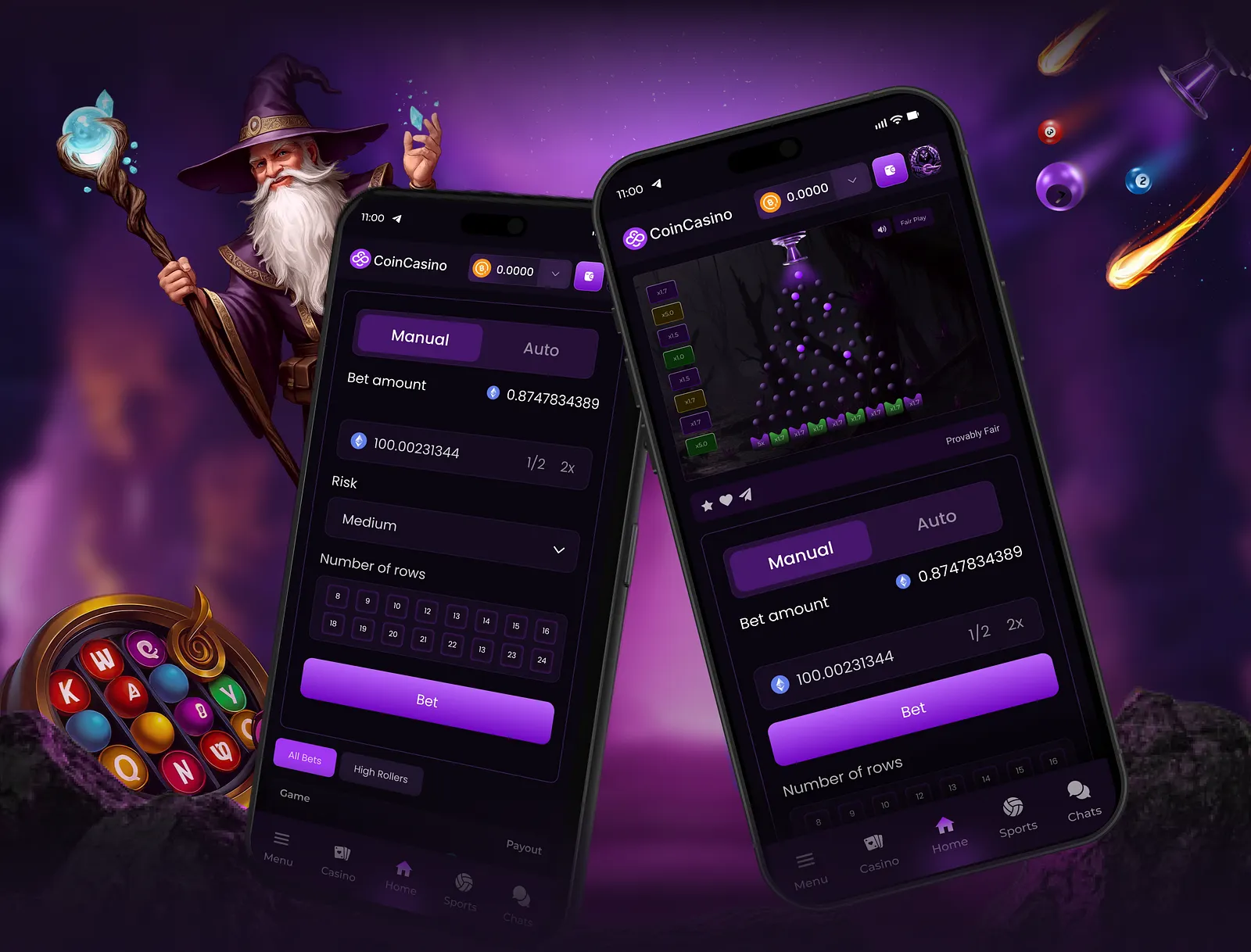
iGaming · UI/UX Design
Coin Casino
A sleek, immersive online casino platform designed for crypto-native players — bold visuals, smooth navigation, and a dark UI that keeps players engaged.
View case study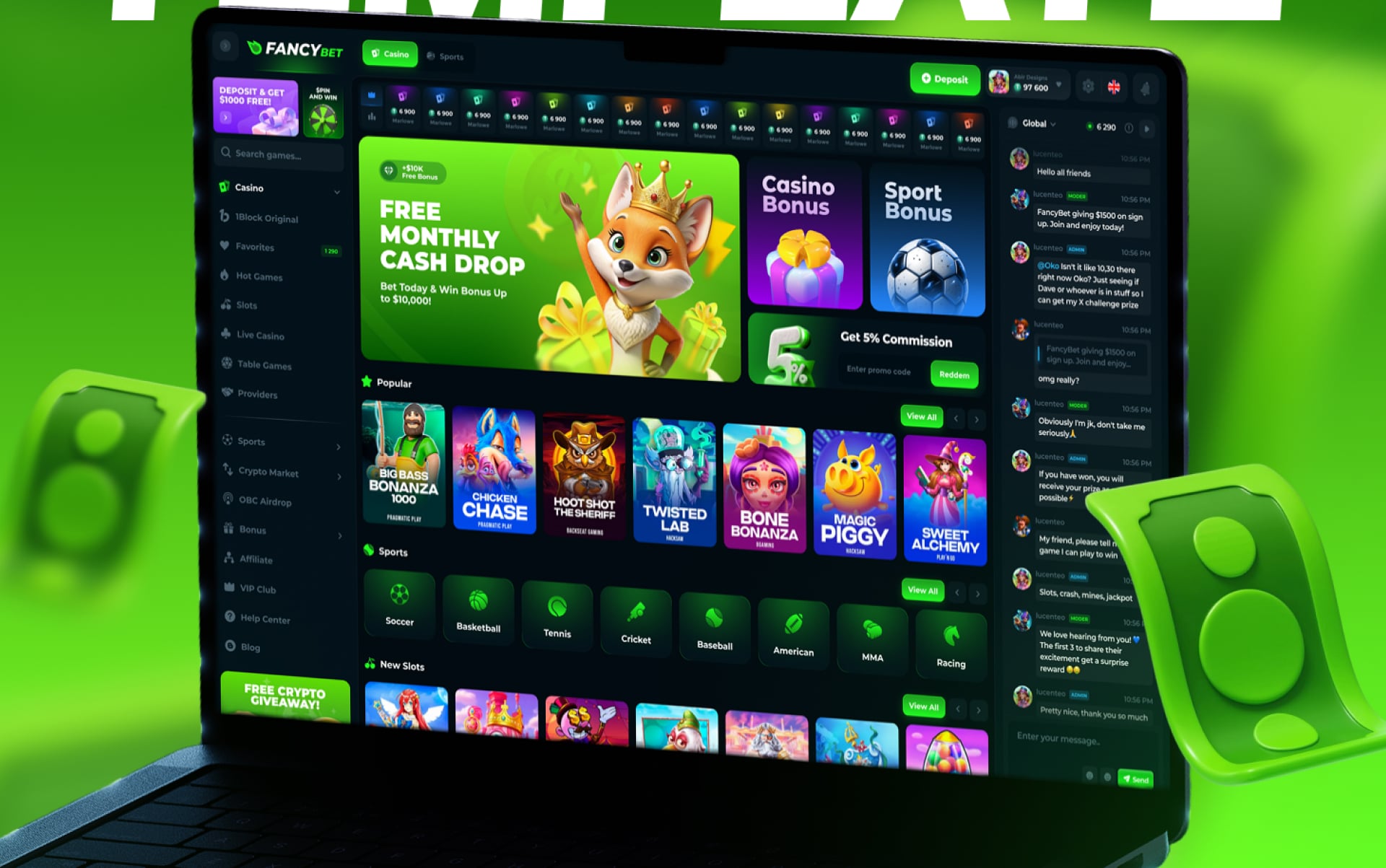
iGaming · UI/UX Design
FancyBet
A vibrant, engagement-driven online betting platform interface — designed with bold colors, intuitive bet placement, and a game-centric layout that keeps players in the action.
View case study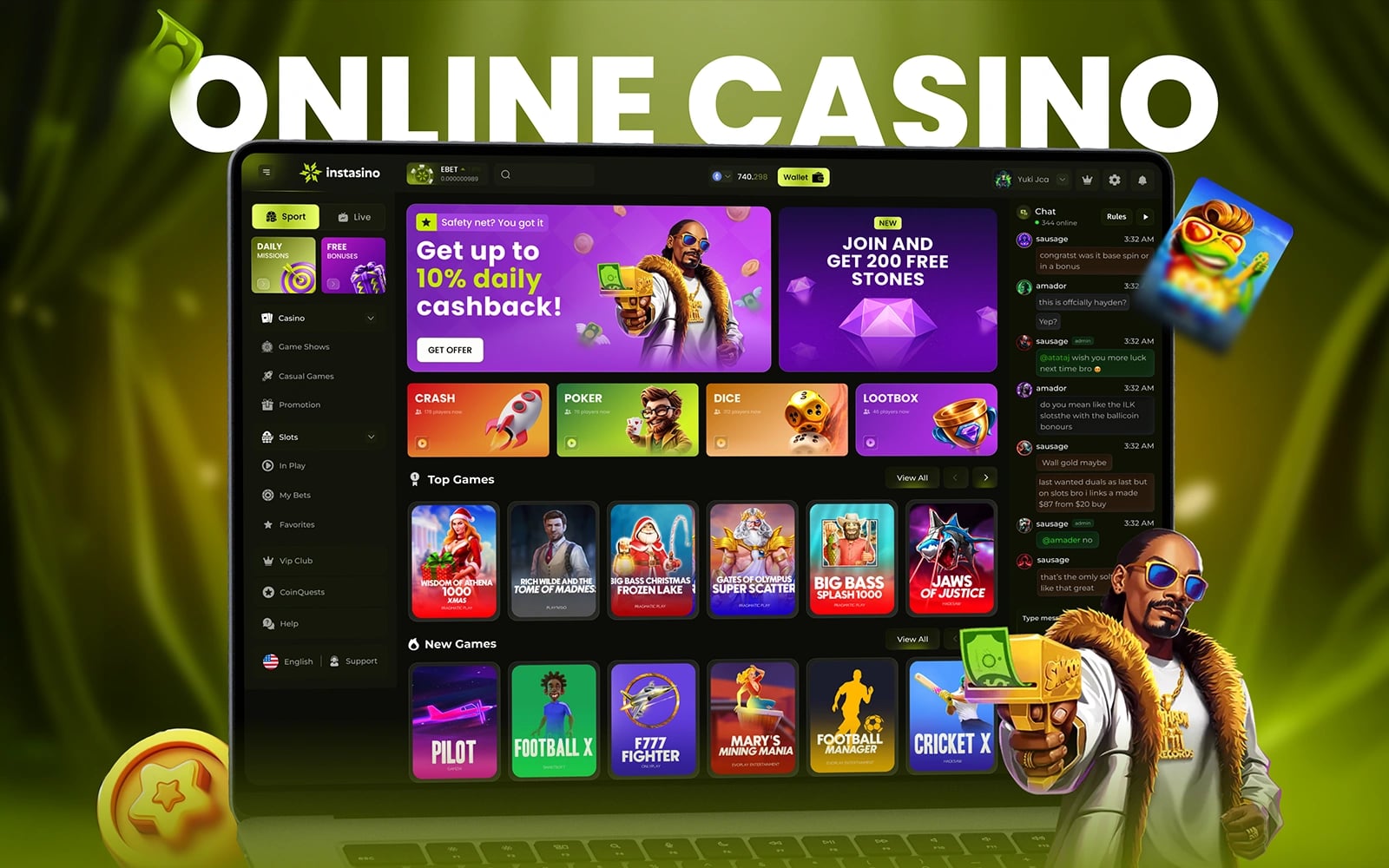
iGaming · UI/UX Design
Instasino — Premium Online Casino
A premium online casino experience with a luxurious dark interface, immersive game lobbies, and VIP-tier user flows — designed to maximize player engagement and retention.
View case studyNeed help with your iGaming platform's UI?
Start a projectRelated posts
Keep reading

10 UX Mistakes That Kill Online Casino Conversions
Your casino might have great games, but if the UX is broken, players leave before depositing. Here are the 10 mistakes we see most — and how to fix them.

How to Design a Telegram Casino Bot That Players Love
Telegram mini-apps are the next frontier for iGaming. Here's how to design casino bots that feel native, fast, and addictive.

Designing iGaming Platforms for European Markets: UX Meets Compliance
European iGaming isn't just about great design — it's about meeting MGA, UKGC, and local regulations through the interface itself.